
Rethinking Material Recovery
LOCOMS is developing an advanced reactor platform to deliver precision material recovery from waste plastics and biomass. We bring precision energy delivery to industrial scale through our modular liquefaction system

Where circularity meets profitability
Where circularity meets profitability
Where circularity
meets profitability
SMR inspired design
SMR inspired design
SMR inspired design
Modular units scale with demand
Modular units scale with demand
Fully electrified
Fully electrified
Fully electrified
Grid-powered with renewable energy integration
Grid-powered with renewable energy integration
Higher yields
Maximum oil recovery per tonne
Feedstock flexible
Feedstock flexible
Feedstock flexible
Mixed plastics and biomass streams
Mixed plastics and biomass streams
Easy to operate
Automated with minimal supervision
High uptime
Reliable continuous operation
Higher yields
Higher yields
Maximum oil recovery per tonne
Maximum oil recovery per tonne
Easy to operate
Easy to operate
Automated with minimal supervision
Automated with minimal supervision
High uptime
High uptime
Reliable continuous operation
Reliable continuous operation
A new approach to material recovery
A new approach to material
A new approach to material recovery
recovery
The chemical recycling challenge
The chemical recycling challenge
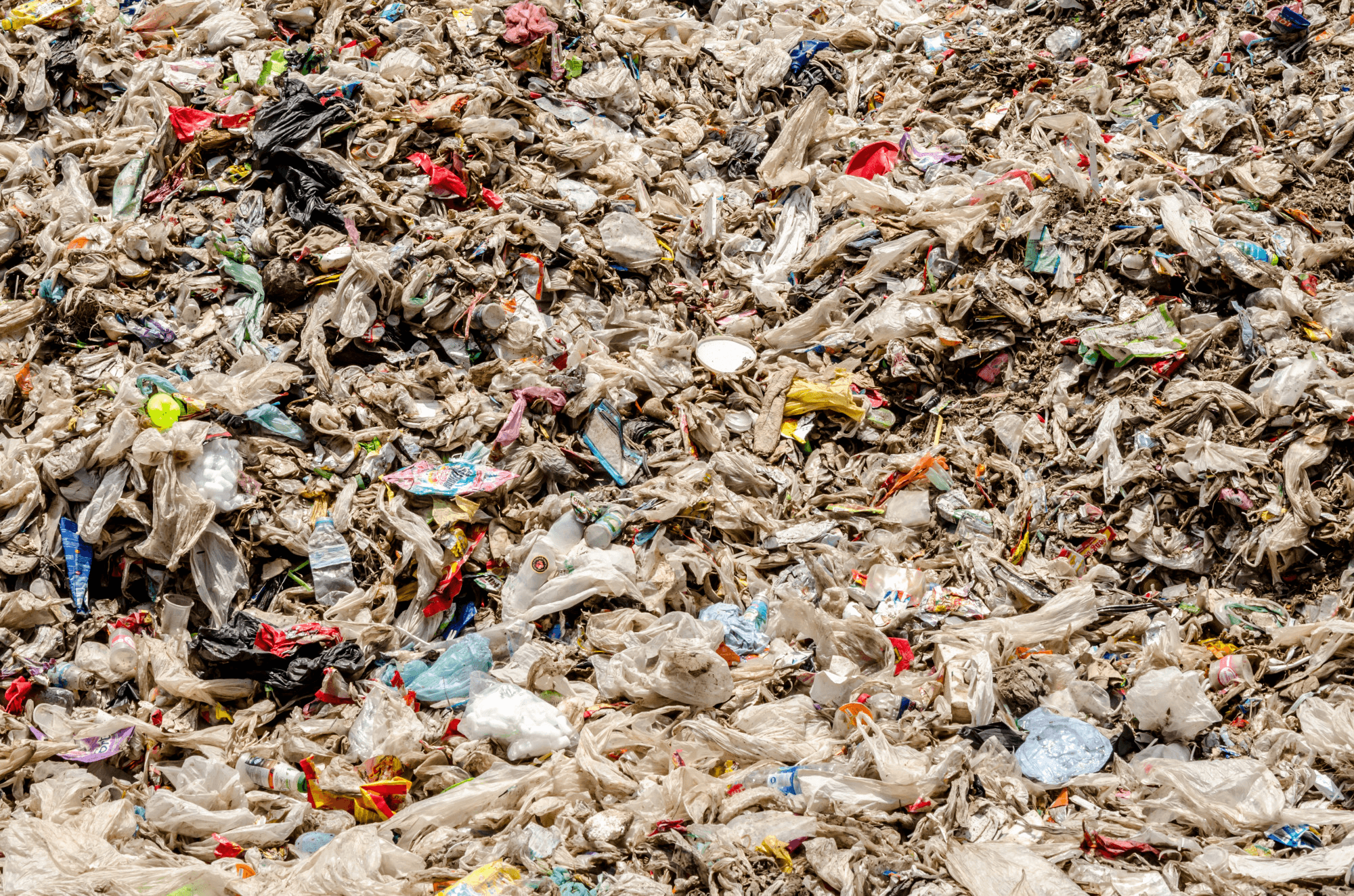
Non-recyclable plastics represent a vast untapped material stream. The alternative today is incineration destroying materials that could be recovered. Mechanical recycling cannot process contaminated or mixed materials. Emerging chemical recycling technologies often require controlled conditions that limit industrial scaling. Conventional pyrolysis struggles with efficiency, and much of its output is downcycled to fuel rather than upcycled to chemical feedstock. The industry needs technology that converts waste plastics back into feedstock for new plastics profitably at scale.
Non-recyclable plastics represent a vast untapped material stream. The alternative today is incineration destroying materials that could be recovered. Mechanical recycling cannot process contaminated or mixed materials. Emerging chemical recycling technologies often require controlled conditions that limit industrial scaling. Conventional pyrolysis struggles with efficiency, and much of its output is downcycled to fuel rather than upcycled to chemical feedstock. The industry needs technology that converts waste plastics back into feedstock for new plastics profitably at scale.
Non-recyclable plastics represent a vast untapped material stream. The alternative today is incineration destroying materials that could be recovered. Mechanical recycling cannot process contaminated or mixed materials. Emerging chemical recycling technologies often require controlled conditions that limit industrial scaling. Conventional pyrolysis struggles with efficiency, and much of its output is downcycled to fuel rather than upcycled to chemical feedstock. The industry needs technology that converts waste plastics back into feedstock for new plastics profitably at scale.
Precision energy delivery technology
Precision energy delivery technology
Our platform delivers controlled energy directly into the material matrix rather than heating reactor vessels externally. This fundamental shift in heat transfer enables higher conversion efficiency, better product yields, and real-time process optimization. The technology turns feedstock variability into operational flexibility.
Our platform delivers controlled energy directly into the material matrix rather than heating reactor vessels externally. This fundamental shift in heat transfer enables higher conversion efficiency, better product yields, and real-time process optimization. The technology turns feedstock variability into operational flexibility.
De-risking deployment
De-risking deployment
The chemical recycling industry has struggled with mega-project failures: massive upfront capital, unproven technology at scale, and all-or-nothing risk. Our modular approach changes this equation. Factory-built reactor units can be deployed incrementally, scaling capacity with demand without increasing unit costs. Prove performance at pilot scale, then add modules as the market grows. This is industrial deployment designed to succeed commercially.
The chemical recycling industry has struggled with mega-project failures: massive upfront capital, unproven technology at scale, and all-or-nothing risk. Our modular approach changes this equation. Factory-built reactor units can be deployed incrementally, scaling capacity with demand without increasing unit costs. Prove performance at pilot scale, then add modules as the market grows. This is industrial deployment designed to succeed commercially.
How it works
How it works
01
Feedstock input
Feedstock input
Mixed plastic waste and biomass enter the continuous-flow reactor
Mixed plastic waste and biomass enter the continuous-flow reactor
02
Precision heating
Precision heating
Direct energy delivery heats material from the inside out
Direct energy delivery heats material from the inside out
03
Process optimization
Process optimization
AI-based controls adjust conditions in real-time
AI-based controls adjust conditions in real-time
04
Material transformation
Material transformation
Feedstock converts into vapors and liquid hydrocarbons
Feedstock converts into vapors and liquid hydrocarbons
05
Product recovery
Product recovery
Vapors are cooled and condensed into liquid feedstock
Vapors are cooled and condensed into liquid feedstock
06
Circular output
Circular output
Hydrocarbon feedstock ready to replace virgin crude
Hydrocarbon feedstock ready to replace virgin crude
Module 1
Module 1
M1, our first reactor unit under development. Scale capacity by deploying multiple reactor units to match demand.
M1, our first reactor unit under development. Scale capacity by deploying multiple reactor units to match demand.
What we process
What we process
Non-recyclable plastics and unused biomass materials that mechanical recycling cannot handle and that would otherwise be incinerated or landfilled.
Non-recyclable plastics and unused biomass materials that mechanical recycling cannot handle and that would otherwise be incinerated or landfilled.

LOCOMS AB
Stockholm, Sweden
Follow us on
© 2026 Locoms. All rights reserved.

LOCOMS AB
Stockholm, Sweden
Follow us on
© 2026 Locoms. All rights reserved.
LOCOMS AB
Stockholm, Sweden
Follow us on
© 2026 Locoms. All rights reserved.
Rethinking Material Recovery
LOCOMS is developing an advanced reactor platform to deliver precision material recovery from waste plastics and biomass. We bring precision energy delivery to industrial scale through our modular liquefaction system